Transform-agency: Epistempathic Engagement ‘in’ and ‘for’ the Indian Sundarbans Delta'
- Date
- 3 June 2026
- Time
- 16:00 -17:15
- Location
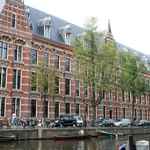
- Bushuis/Oost-Indisch Huis
- Room
- Kartinizaal
The Indian Sundarbans Delta (ISD) is a contested landscape where global climate mitigation models increasingly advocate ‘managed retreat’ – a technocratic vision favouring wilderness restoration over community habitation. This approach, aligned with transnational capital, marginalizes the voices and aspirations of delta communities who have long co-constituted the region as a dynamic socionatural assemblage. In this presentation, I will introduce you to our ENGAGE4Sundarbans project that counters top-down retreat discourse by centering social resilience as a situated, transdisciplinary imperative. Deploying an archival-ethnography-experimentation (A2E) framework, the project collaborates with island communities, academics, and practitioners to co-craft transformative alternatives.
In this lecture, I will (more specifically) shed light on the efficacy of multi-modal, praxis-induced research, combining visual storytelling, vernacular literatures, folk performative art and music (such as pala gaan and panchali) as knowledge mobilization and dissemination strategies, fostering transdisciplinary engagement ‘in’ and ‘for’ the Sundarbans. With a series of empirical examples from the project: such as the use of the panchali in conducting high-end technical surveys by ‘inhabitant interviewers’ of the Kumirmari island to the application of visual storytelling in gender-inclusive inland fishing training manuals, and artist-ethnographer collaboration in co-curation of flood memories, I will launch the ‘epistempathic’ framework and explore its potential in recognizing and activating the transformative agency of island communities for the socio-ecological viability of the delta. The framework reveals how situated, affective, and creative methodologies can reconfigure decolonial knowledge co-creation with implications for the Sundarbans and analogous geographies facing imposed retreat.
Please register (obligatory) by emailing Barnita Bagchi, b.bagchi@uva.nl, by 21 May 2026
About the speaker
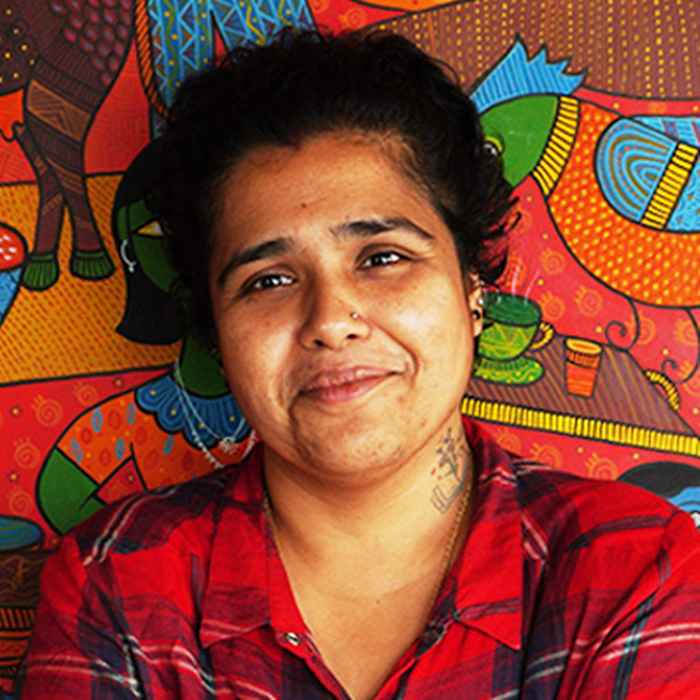
Dr. Jenia Mukherjee is Associate Professor in the department of Department of HJenia’s research spans across urban environmental history, urban political ecology and transdisciplinary waters. She received the prestigious Carson Writing Fellowship (2018-19) from the Rachel Carson Center, Munich for completing her book Blue Infrastructures: Natural History, Political Ecology and Urban Development in India. She was awarded the Salzburg Global and Nippon Foundation Fellowship (2020), Japan-India Transformative Technology Network to advance her urban ecological research in collaboration with urban practitioners and global think tanks. She is currently investigating five international projects funded by EU-ICSSR, AHRC-ICHR, SSHRC (Canada) and Swissnex, exploring coastal livelihoods dynamics in the Sundarbans and urban deltas and wetlands of India.